
Sustainable travel is changing the way people explore the world. As climate change becomes a bigger issue, travelers are looking for ways to enjoy new places without harming the planet. Many don’t realize how much their choices impact local cultures, nature, and communities.
By understanding sustainable travel, you can make smarter decisions that help preserve destinations for future generations and create meaningful experiences for yourself. Whether you’re planning a weekend getaway or a long adventure, learning how to travel responsibly can save resources, support local economies, and protect the beauty of our world.
Table of Contents
What Is Sustainable Travel?
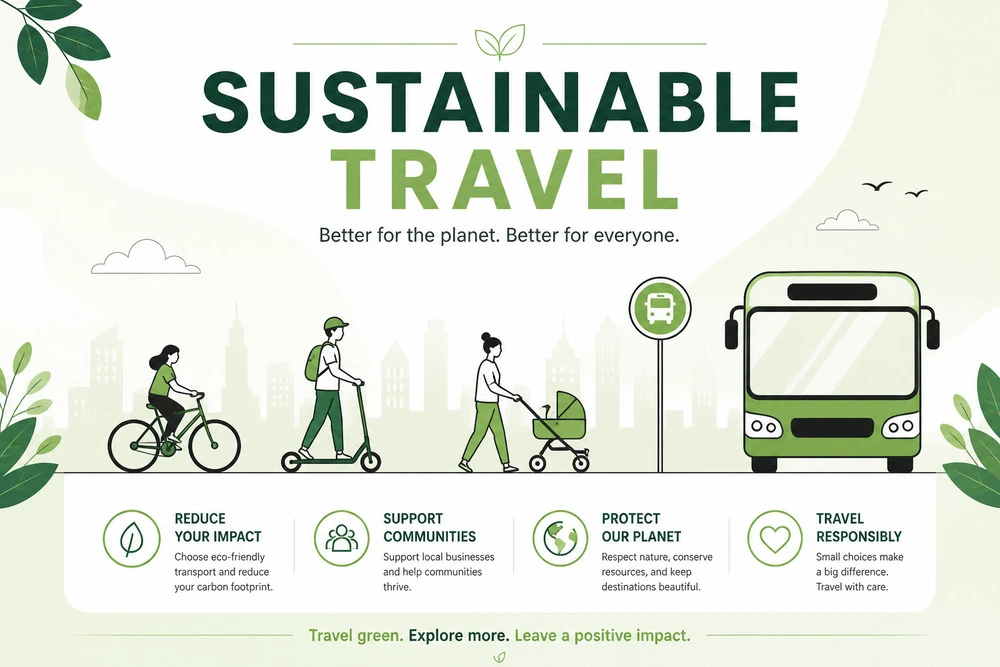
Sustainable travel means visiting places in a way that protects the environment, respects local culture, and helps communities. It’s not just about recycling or avoiding plastic. It’s about thinking how your trip affects nature, people, and economies. For example, using public transport instead of renting a car reduces your carbon footprint.
Staying at locally-owned hotels puts money into the community instead of big chains.
People often confuse sustainable travel with eco-tourism. Eco-tourism focuses only on nature and wildlife. Sustainable travel is broader. It covers environmental care, social respect, and economic support. Every traveler can make small changes that add up, from choosing green hotels to eating at local restaurants.
Environmental Impact Of Tourism
Travel has both positive and negative effects. While tourism can raise awareness about nature, it often leads to pollution, habitat loss, and resource waste. According to the United Nations World Tourism Organization (UNWTO), tourism contributes about 8% of global carbon emissions. Flights, hotels, and transportation are the biggest causes.
How Travel Affects Nature
- Air pollution: Planes and cars release CO2, which causes climate change.
- Water waste: Hotels use lots of water for cleaning, pools, and gardens.
- Plastic pollution: Single-use bottles, bags, and packaging harm rivers and oceans.
- Wildlife disturbance: Crowds can scare animals and damage habitats.
Small steps help lower these impacts. For example, using refillable water bottles and staying in hotels with green certifications.
Comparing Carbon Footprints
Here is a quick comparison of carbon emissions from different types of travel:
| Transport Mode | CO2 per Mile (lbs) | Typical Use |
|---|---|---|
| Airplane | 0.24 | Long-distance |
| Car (single) | 0.43 | Short-medium |
| Train | 0.14 | Medium-long |
| Bus | 0.09 | City/Regional |
Trains and buses are usually more eco-friendly than flying or driving alone.
How To Travel Sustainably
Making your trip greener doesn’t mean sacrificing fun or comfort. It just means thinking before you book, pack, and move. Here are practical ways to travel sustainably:
1. Choose Green Transportation
Whenever possible, use public transport, bikes, or walk. Trains and buses use less energy than planes or cars. For longer distances, consider direct flights, which waste less fuel than many connections.
2. Pick Eco-friendly Accommodation
Look for hotels with green certifications like LEED or Green Key. These hotels save water, use renewable energy, and manage waste better. Locally-owned guesthouses or homestays often use fewer resources and support the community.
3. Respect Local Cultures
Learn basic words in the local language. Dress appropriately. Follow local customs. Many travelers forget that respecting people is part of sustainable travel. If you’re visiting a sacred site, follow the rules—don’t take photos if it’s forbidden.
4. Reduce Plastic And Waste
Carry a reusable water bottle, shopping bag, and utensils. Avoid single-use items. Some countries are banning plastic bags, but many still allow them. If you bring your own, you help keep beaches and parks cleaner.
5. Eat Local And Seasonal Foods
Eating at local restaurants or markets helps the economy and cuts transport emissions. Try local fruits, vegetables, and dishes. Avoid imported foods—they travel long distances and use more resources.
6. Support Responsible Tours
Book tours with companies that protect nature and treat animals well. Avoid activities that harm wildlife, like elephant rides or dolphin shows. Look for companies with a Responsible Tourism badge.
7. Offset Your Carbon Footprint
Some airlines and travel sites let you pay a little extra to offset your emissions. This money goes to projects like planting trees or building wind farms. It’s not a perfect solution, but it helps.
Sustainable Packing Tips
Packing smart helps you travel lighter and greener. Here’s a comparison of common packing choices:
| Item | Greener Choice | Environmental Benefit |
|---|---|---|
| Water bottle | Reusable stainless steel | Reduces plastic waste |
| Shopping bag | Cloth tote | Reusable, less landfill |
| Toiletries | Solid soap/shampoo | No plastic packaging |
| Clothes | Quick-dry fabrics | Less laundry, less water use |

Social And Economic Benefits
Sustainable travel isn’t only about nature. It also helps people and communities. Many popular tourist spots struggle with overtourism, which raises prices and pushes out locals. By choosing lesser-known places or traveling in the off-season, you help balance crowds and support local businesses.
Supporting Local Businesses
When you spend money at local shops, markets, and restaurants, more stays in the community. For example, buying souvenirs from a local artisan instead of a chain store helps families. Staying at guesthouses or using local guides gives people fair wages.
Fair Employment And Community Support
Some hotels and tour companies train and hire local staff, give back to communities, or run projects like schools and clinics. Ask about these programs when booking. Your trip can help improve lives, not just the economy.
Avoiding Economic Pitfalls
Many travelers don’t realize big tourism companies often send profits away from the country. This is called economic leakage. To avoid it:
- Book directly with local businesses
- Use local guides and transport
- Avoid international chain hotels unless they employ mostly locals
Protecting Culture And Heritage
Travelers can help protect culture and heritage by being respectful and supporting preservation efforts. Many historic sites charge entry fees to fund repairs and staff. Paying these fees helps keep sites open for future visitors.
Examples Of Sustainable Cultural Tourism
- Visiting museums run by locals
- Joining traditional craft workshops
- Attending cultural festivals responsibly

Some destinations limit visitor numbers to protect fragile areas. For example, Machu Picchu in Peru restricts daily tourists to preserve the ruins.
Common Mistakes In Cultural Travel
Many beginners ignore local rules or take photos where it’s forbidden. Some buy fake souvenirs instead of real local crafts. Always ask before you take pictures or touch historic objects.
Wildlife And Nature Protection
Tourism can help or harm wildlife. Responsible travel means respecting animals and habitats. Avoid touching or feeding wild animals. Support conservation projects and visit parks run by local communities.
Responsible Wildlife Watching
Choose tours that follow ethical guidelines. These include:
- Keeping a safe distance
- Not disturbing animals
- Avoiding attractions where animals are kept in poor conditions
Wildlife tourism can support conservation if done right. For example, visiting national parks that use entry fees for protection helps animals and plants.
Comparing Wildlife Tourism Types
Here’s a quick comparison of ethical and unethical wildlife tourism:
| Activity | Ethical? | Impact |
|---|---|---|
| Wildlife safaris (no contact) | Yes | Supports conservation |
| Elephant rides | No | Animal suffering |
| Bird-watching | Yes | Low impact |
| Dolphin shows | No | Captivity stress |

Sustainable Destinations To Visit
Some places are leading the way in sustainable tourism. These destinations make it easier for travelers to be green and support locals.
1. Costa Rica
Costa Rica is famous for its eco-lodges, rainforests, and wildlife. The country protects over 25% of its land as parks and reserves. Many hotels use solar power and recycle.
2. Bhutan
Bhutan limits tourist numbers and charges a daily fee to support culture and environment. The country is carbon-negative, meaning it absorbs more CO2 than it produces.
3. New Zealand
New Zealand offers green transport, clean energy, and strict wildlife protection. Local communities run many tours and nature parks.
4. Slovenia
Slovenia is recognized as a green destination. It has clean rivers, organic farms, and eco-friendly hotels.
5. Kenya
Kenya’s national parks use entry fees for conservation. Many lodges are owned by local communities and support wildlife protection.
Challenges And Barriers
Sustainable travel faces many challenges. Not everyone knows about it, and some think it costs more or is less comfortable. Here are the main barriers:
Lack Of Awareness
Many travelers don’t know how their actions affect the environment or community. Education is key. Simple guides and signs at airports or hotels can help.
Higher Costs
Eco-hotels and green tours sometimes cost more. But prices are coming down as demand grows. In many places, local guesthouses are cheaper than big hotels.
Limited Choices
Some destinations have few green options. Booking in advance helps. Travelers can also ask hotels and tour companies about their sustainability practices.
Greenwashing
Some businesses claim to be green but aren’t. This is called greenwashing. Look for real certifications or reviews from trusted sites.
Practical Solutions
- Ask questions before booking: How do you save water? Do you hire locals?
- Check for certifications: Look for Green Key, LEED, or local badges.
- Use trusted reviews and guides: For example, National Geographic Travel offers tips on sustainable destinations.
Non-obvious Insights
Most beginners miss these points:
- Seasonal travel matters: Visiting in the off-season reduces stress on resources and gives you a better experience. Locals are less busy and can share more about their culture.
- Digital footprints count: Using apps, maps, and online bookings saves paper and reduces waste. But don’t forget about energy use. Limit device charging and turn off electronics when not needed.
Tips For Beginners
If you’re new to sustainable travel, start small:
- Plan ahead. Research green hotels and tours.
- Pack light. Fewer bags mean less fuel used.
- Share your experiences. Tell friends and family about responsible choices.
- Support local causes. Donate to community or conservation projects.

Frequently Asked Questions
What Is Sustainable Travel?
Sustainable travel means visiting places in ways that protect the environment, respect local cultures, and help communities. It’s about making choices that reduce harm and increase positive impact.
How Can I Find Eco-friendly Hotels?
Look for hotels with certifications like LEED, Green Key, or local green badges. Read reviews on trusted sites and ask hotels about their practices for saving water, energy, and supporting locals.
Is Sustainable Travel More Expensive?
It can cost more, but not always. Local guesthouses or homestays are often cheaper than big hotels. Traveling off-season, using public transport, and eating local foods also save money.
Does Sustainable Travel Mean Giving Up Comfort?
No. Many green hotels and tours offer modern comforts. Sustainable travel is about thoughtful choices, not sacrifice. Packing smart and planning ahead helps you stay comfortable.
How Can I Avoid Greenwashing?
Check for real certifications, ask questions, and read trusted reviews. Avoid businesses that only use “green” in advertising but don’t show clear practices.

Traveling sustainably takes some effort, but it’s rewarding. Every choice you make—big or small—matters. Whether you save water, support local businesses, or choose ethical tours, you help protect our planet and enrich your journey. As more people join this movement, destinations around the world will become cleaner, safer, and more welcoming for everyone.