
Traveling with kids is both an adventure and a challenge. Many parents fear long journeys, crowded airports, or road trips with restless children. Yet, traveling as a family can be incredibly rewarding, creating memories that last a lifetime. Whether you’re planning a weekend getaway, an international vacation, or visiting relatives, knowing how to travel smoothly with kids is essential.
This guide covers practical strategies, common mistakes to avoid, and expert advice to help you enjoy the journey as much as the destination.
Table of Contents
Preparing For The Trip
Good preparation makes traveling with kids much easier. The key is to anticipate problems before they happen and pack thoughtfully.
Choosing The Right Destination
Not every place is suitable for families. Look for locations with kid-friendly attractions, safe environments, and medical facilities nearby. Cities with parks, museums, and interactive activities are ideal. For example, places like Orlando, London, or Tokyo offer a mix of fun and educational experiences.
Research And Planning
Start planning early. Check local weather, entry requirements, and whether you need visas or vaccines. Some countries require special paperwork for children. If you’re flying, compare airlines for their family policies—some offer early boarding or kids’ meals.
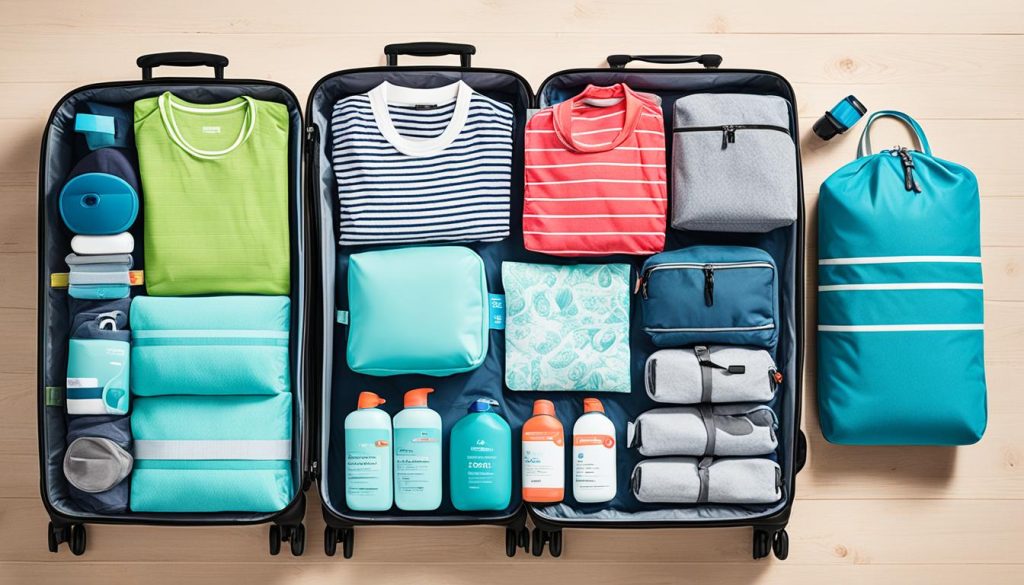
Packing Essentials
Packing for kids is different from packing for adults. You need to bring items that keep them comfortable and entertained.
- Travel documents (passports, tickets, consent forms)
- Snacks and drinks
- Toys, books, tablets (with headphones)
- Change of clothes
- Medications and basic first aid supplies
- Comfort items (blanket, stuffed animal)
- Baby gear (strollers, car seats) if needed
Always pack extra diapers or wipes for younger children. Remember, lost luggage happens—so keep important items in your carry-on. Check out our packing list generator for an easy packing experience.
Helpful Packing Table
Here’s a quick comparison of what you should pack for different ages:
| Item | Babies | Toddlers | Older Kids |
|---|---|---|---|
| Diapers/Wipes | ✔️ | ✔️ | ❌ |
| Portable Games | ❌ | ✔️ | ✔️ |
| Snacks | ✔️ | ✔️ | ✔️ |
| Stroller | ✔️ | ✔️ | ❌ |
| Headphones | ❌ | ✔️ | ✔️ |
| First Aid Kit | ✔️ | ✔️ | ✔️ |
On The Road: Managing Transportation
Getting from one place to another is often the hardest part of traveling with kids. Whether you’re flying, driving, or taking trains, each mode has its own challenges.
Air Travel
Flying can be stressful, but preparation helps. Book seats together, preferably near the aisle. Early boarding gives you time to settle in. For babies and toddlers, bring a bag of small toys and snacks. Older kids can use tablets or books.
Many airlines allow families to check strollers or car seats for free. If your child is anxious, explain the process step by step. For longer flights, plan activities and breaks. Try to schedule flights during nap times for younger kids.
Useful Air Travel Data
According to the US Department of Transportation, over 2 million children fly each year in the US alone. Airlines with higher family satisfaction include Southwest, JetBlue, and Delta.
Road Trips
Car journeys require planning. Map out rest stops every 2–3 hours. Bring audio stories or music playlists. Keep a cooler with drinks and snacks. For babies, always use proper car seats. Toddlers and older kids benefit from travel games or coloring books.
A tip many parents miss: put a trash bag within reach. This keeps the car cleaner and saves time at stops.
Trains And Public Transport
Trains are often more relaxing than planes or cars. Kids can move around, and there’s usually a restroom onboard. Reserve seats in advance and bring activities. Always check the luggage policies for strollers or large bags.

Accommodations That Work For Families
Where you stay matters a lot. Family-friendly accommodations can make or break your trip.
Hotels Vs Vacation Rentals
Hotels offer services like room cleaning, pools, and breakfast. Look for places with family suites or connecting rooms. Vacation rentals (like Airbnb) give you more space and a kitchen, which is helpful for picky eaters or babies.
Safety And Comfort
Choose accommodations with childproofing features—outlet covers, stair gates, and window locks. Ask about cribs or high chairs. Some hotels provide them free, while others charge extra.
Amenities Table: What To Look For
Here’s a comparison of common amenities:
| Amenity | Hotels | Vacation Rentals |
|---|---|---|
| Free Breakfast | ✔️ | ❌ |
| Kitchen | ❌ | ✔️ |
| Pool | ✔️ | ✔️ |
| Laundry | ✔️ (sometimes) | ✔️ |
| Cribs/High Chairs | ✔️ | ✔️ (on request) |
Booking Tips
Book early for the best rates and choices. Read reviews from families, not just solo travelers. Check the location—being near attractions saves time and energy.
A non-obvious insight: Some hotels offer kids’ clubs or babysitting. This lets parents enjoy a break or a meal alone.
Keeping Kids Entertained
Boredom is a big problem during travel. Keeping children busy reduces tantrums and fights.
Activities For Different Ages
Babies enjoy simple things like soft toys, rattles, or peek-a-boo games. Toddlers love coloring, stickers, and puzzles. Older kids prefer interactive apps, books, or travel journals.
Engaging Kids In The Journey
Let children help with small decisions, like choosing snacks or picking a souvenir. This makes them feel involved and less likely to complain.
Try to include activities at your destination that match their interests—zoos, science museums, or amusement parks.
Non-obvious Entertainment Strategies
Many parents overlook audio stories and podcasts. These are great for car rides or quiet time. Another tip: teach kids about the local culture before you arrive. Show them photos or videos, so they know what to expect.
Health And Safety Concerns
Traveling can expose kids to new germs, foods, and environments. Staying healthy is a top priority.
Immunizations And Travel Health
Check if your destination requires special vaccines. Bring a copy of medical records in case of emergency. Pack basic medicines for fever, allergies, or stomach issues.
The CDC recommends carrying hand sanitizer and wipes. Remind kids to wash hands often, especially before eating.
Food And Water Safety
Stick to bottled water in countries where tap water isn’t safe. Avoid uncooked foods or street snacks that look suspicious. For babies, bring formula or baby food from home.
Safety On The Go
Always keep an eye on children in crowded places. Use child harnesses or ID bracelets for toddlers. Teach older kids your phone number and what to do if they get lost.
A mistake many parents make is assuming hotels and attractions are safe for all ages. Always check for hazards like open windows or sharp furniture.
Budgeting For Family Travel
Traveling with kids can be expensive, but smart planning helps manage costs.
Setting A Realistic Budget
List all expenses: transportation, lodging, food, activities, and souvenirs. Add a buffer for emergencies or unexpected costs.
Saving Money
- Travel in the off-season for lower prices
- Book flights and hotels early
- Use family discounts or loyalty programs
- Choose free or low-cost activities
A helpful tip: Some museums or attractions have free days or reduced prices for kids.
Family Travel Cost Comparison
Below is a sample cost breakdown for a typical 5-day family trip:
| Expense | Budget Option | Premium Option |
|---|---|---|
| Accommodation | $500 | $1,400 |
| Transport | $300 | $800 |
| Food | $250 | $700 |
| Activities | $150 | $600 |
| Souvenirs | $50 | $200 |
| Total | $1,250 | $3,700 |
Managing Food And Mealtime Challenges
Kids often become picky eaters while traveling. New foods, schedules, and unfamiliar restaurants can create problems.
Planning For Meals
Bring snacks from home for emergencies. Research child-friendly restaurants near your destination. If you’re staying in a rental, cook simple meals in the kitchen.
Handling Allergies And Diet Restrictions
If your child has allergies, learn how to say key phrases in the local language. Carry allergy cards or documentation. Inform hotel staff or airline crew about dietary needs.
A tip many overlook: Before ordering food, ask for ingredient lists. Some cultures use nuts, dairy, or gluten in unexpected ways.
Making Mealtime Fun
Let kids try new foods, but don’t force them. Offer familiar options when possible. Use meals as a chance to talk about the trip and share stories.
Coping With Jet Lag And Sleep Issues
Changing time zones or sleeping in new places can disrupt kids’ routines.
Adjusting To New Schedules
Try to gradually shift bedtime before your trip. On arrival, spend time outside—natural light helps reset the body clock. Keep naps short to help adjust.
Sleep Solutions
Bring familiar items like a favorite blanket or pillow. Use white noise apps to mask hotel sounds. For babies, request a crib in advance.
An insight many parents miss: If your child has trouble sleeping, don’t stress. Most kids adjust within a few days. Stick to a calming bedtime routine even when away from home.
Handling Unexpected Situations
Travel rarely goes exactly as planned. Delays, illness, or lost luggage can happen. Having a plan helps you stay calm.
Dealing With Delays
Carry extra snacks, water, and entertainment. Prepare kids for waiting. Use downtime to play games or read stories.
Medical Emergencies
Know where the nearest hospital or clinic is. Keep health insurance cards and emergency contacts handy. If your child gets sick, don’t hesitate to seek help.
Lost Items Or Documents
Keep photos of important documents on your phone. Have backup copies in your email. Teach older kids to be careful with their belongings.
Creating Memories That Last
Traveling with kids is about more than logistics—it’s about experiences.
Capturing The Moment
Take photos and videos, but also encourage kids to keep a travel journal or draw pictures. Collect small souvenirs like tickets or postcards.
Building Family Traditions
Repeat favorite activities on each trip—like visiting a zoo, trying local ice cream, or taking a group photo. These traditions make travel special.
Teaching Life Skills
Travel helps kids learn flexibility, patience, and curiosity. Let them help with packing, planning, or navigating. Praise their efforts and talk about what they learned.
Common Mistakes To Avoid
Even experienced parents make errors. Here are some pitfalls to watch for:
- Overpacking—Bringing too much slows you down and stresses kids.
- Ignoring routines—Kids need familiar routines for sleep and meals.
- Skipping travel insurance—Always protect your trip against illness or emergencies.
- Not researching local laws—Some countries have strict rules about child seats, documents, or medications.
- Underestimating costs—Budget for everything, including hidden fees.
- Forgetting downtime—Pack your schedule too full and kids will get tired and cranky.
- Assuming all family-friendly activities are safe—Double-check safety standards.
- Not involving kids—Children who feel left out are more likely to misbehave.
- Ignoring health risks—Research food, water, and medical care before you go.
- Missing backup plans—Have alternatives for rainy days or canceled tours.
Frequently Asked Questions
How Can I Keep My Child Calm During A Flight?
Bring snacks, small toys, and digital entertainment. Explain the process and offer comfort items like a blanket. Try to schedule flights during nap time. If your child is anxious, distract them with games or stories.
What Are The Best Destinations For Family Travel?
Popular choices include Orlando, London, Paris, Tokyo, and Sydney. Look for places with kid-friendly attractions, safe environments, and easy transportation. National parks and beach resorts are also great for families.
How Do I Handle Food Allergies When Traveling With Kids?
Learn key phrases in the local language, carry allergy cards, and inform staff at hotels and restaurants. Bring some safe snacks from home. Always check ingredient lists and avoid unfamiliar foods.
Is It Safe To Travel With Babies?
Yes, but it requires extra planning. Bring essential items like diapers, formula, and a first aid kit. Choose accommodations with childproofing. Schedule breaks often and keep routines as much as possible.
What Should I Do If My Child Gets Sick During The Trip?
Find the nearest clinic or hospital. Carry health insurance cards and medical records. Use basic medicines from your travel kit. Don’t hesitate to seek help, and let your child rest as needed.
Traveling with kids is an adventure that requires patience and creativity. With the right preparation, you can turn challenges into opportunities for learning and fun. Remember to involve your children, plan for their needs, and stay flexible. Every trip builds confidence and creates stories you’ll share for years. If you’re ready for your next family journey, start planning today—and embrace the adventure together. For more expert tips and data, check out CDC Travel Health.