
Azerbaijan, proudly known as the “Land of Fire,” stands as one of the most captivating destinations where East meets West. Nestled at the crossroads of Europe and Asia, this Caucasian gem offers an extraordinary blend of ancient history, modern architecture, natural wonders, and warm hospitality. From the futuristic skyline of Baku to the ancient mountain villages perched on the Greater Caucasus, Azerbaijan promises travelers an unforgettable journey through diverse landscapes, rich cultural heritage, and unique experiences.
Whether you’re drawn to the mysterious mud volcanoes, the flame-shaped towers illuminating Baku’s skyline, or the UNESCO-listed rock art dating back thousands of years, Azerbaijan delivers experiences that captivate every type of traveler. This comprehensive guide explores the must-visit destinations, hidden gems, and practical information to help you plan the perfect Azerbaijani adventure.
Baku: The Pearl of the Caspian {#baku-attractions}
Baku, Azerbaijan’s vibrant capital, seamlessly blends medieval charm with cutting-edge modernity. This dynamic city along the Caspian Sea shoreline serves as the perfect starting point for exploring Azerbaijan’s treasures.
Baku Old City (Icherisheher): Journey Through Centuries
The UNESCO World Heritage-listed Old City, locally known as Icherisheher, represents the historic heart of Baku. Enclosed within ancient fortress walls, this living museum transports visitors back through centuries of Azerbaijani history. Wandering through the maze of narrow cobblestone streets reveals a treasure trove of architectural wonders.
The Old City’s authentic charm lies in its ability to preserve daily life within its historic walls. Local residents still call this area home, adding authenticity to your exploration. Traditional carpet shops, antique stores, art galleries, and cozy tea houses line the ancient streets, creating an atmosphere where past and present coexist harmoniously.
Key highlights within the Old City include the mysterious Maiden Tower, the magnificent Palace of the Shirvanshahs, historic caravanserais that once sheltered Silk Road merchants, and numerous mosques showcasing Islamic architecture through the ages. The well-preserved bathhouses, markets, and residential areas offer glimpses into traditional Azerbaijani urban life.
The Maiden Tower: Baku’s Enigmatic Icon
Rising majestically from Baku’s Old City, the Maiden Tower (Qiz Qalasi) stands as one of Azerbaijan’s most recognizable symbols. This mysterious 12th-century monument has sparked countless legends about its origins and purpose. Some believe it served as a Zoroastrian temple, while others suggest it functioned as an astronomical observatory or defensive fortress.
The tower’s unique architecture features eight cylindrical levels, each slightly offset from the one below, creating a distinctive silhouette against Baku’s skyline. Climbing to the top rewards visitors with spectacular panoramic views of the Old City’s terracotta rooftops, the Caspian Sea’s azure waters, and modern Baku’s glittering towers.
Inside the tower, a small museum showcases archaeological finds and exhibits exploring the various theories about its original function. The surrounding plaza buzzes with street performers, local artists, and tourists capturing photos of this iconic landmark.
Heydar Aliyev Cultural Center: Architectural Masterpiece
The Heydar Aliyev Cultural Center stands as a testament to contemporary architectural innovation. Designed by the legendary architect Zaha Hadid, this fluid, wave-like structure defies traditional architectural conventions with its complete absence of sharp angles. The building’s flowing curves and pristine white facade symbolize Azerbaijan’s progressive vision and cultural sophistication.
Inside this architectural marvel, visitors discover extensive exhibition spaces showcasing Azerbaijani culture, art, and history. The permanent collection includes traditional musical instruments, historical artifacts, contemporary art installations, and interactive displays about Azerbaijan’s transformation. Temporary exhibitions bring international art and culture to Baku, making each visit unique.
The surrounding landscaping integrates seamlessly with the building’s design, featuring undulating green spaces, reflective pools, and carefully positioned lighting that transforms the center into a glowing beacon after sunset. Photography enthusiasts find endless opportunities to capture the building’s stunning interplay of light, shadow, and architectural form.
Flame Towers: Baku’s Modern Icons
Dominating Baku’s skyline, the three Flame Towers represent Azerbaijan’s most ambitious architectural achievement. These flame-shaped skyscrapers rise to heights of 190 meters, symbolizing the nation’s historical connection to fire worship and its modern energy resources. The towers’ distinctive silhouettes have become synonymous with contemporary Baku.
What truly sets the Flame Towers apart is their mesmerizing LED facade display. As darkness falls, over 10,000 LED lights illuminate the towers, creating spectacular displays that mimic the movement of fire. The shows change throughout the year, sometimes featuring the Azerbaijani flag, cultural symbols, or artistic light patterns that can be seen from kilometers away.
The towers house luxury residential apartments, corporate offices, and the Fairmont Baku hotel. Visitors can access the observation areas for breathtaking views across Baku, or enjoy upscale dining experiences while watching the sunset over the Caspian Sea.
Baku Boulevard: The Caspian Promenade
Stretching over 25 kilometers along the Caspian Sea coastline, the Baku Boulevard (National Park) offers one of the world’s longest seafront promenades. This beautifully landscaped park provides a peaceful escape from urban bustle while delivering stunning views of Baku’s architectural contrasts.
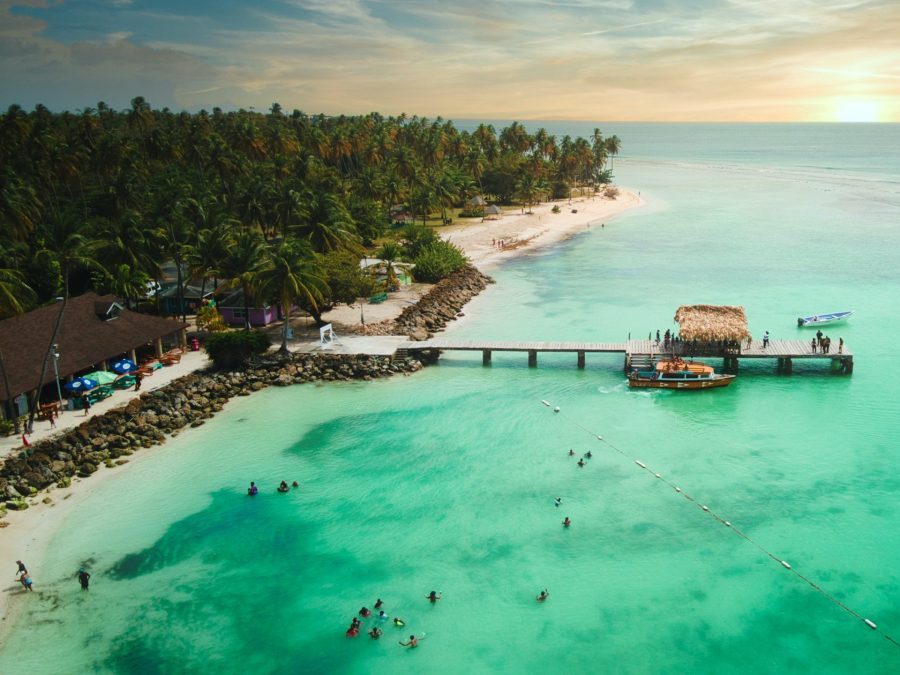
The boulevard features meticulously maintained gardens showcasing local and exotic plants, numerous fountains, children’s playgrounds, outdoor fitness areas, and countless benches perfect for people-watching. Dedicated cycling and walking paths encourage active exploration, while electric shuttle buggies help those who prefer a more leisurely experience.
Major attractions along the boulevard include the iconic Carpet Museum (shaped like a rolled carpet), the International Mugham Center, the historic Baku Ferris Wheel offering panoramic city views, and numerous cafes and restaurants serving both traditional and international cuisine. The Little Venice canal system offers romantic gondola rides, while various monuments and sculptures add artistic interest.
Evening brings the boulevard to life as locals and tourists gather to enjoy the cooler temperatures, street performances, and the spectacular light show on the Flame Towers visible across the bay.
Highland Park and Alley of Martyrs
Perched atop a hill overlooking Baku, Highland Park (Dağüstü Park) delivers the finest panoramic views of the entire city. From this elevated vantage point, visitors can admire the Flame Towers, the historic Old City, the Caspian Sea’s vast expanse, and the urban landscape stretching to the horizon.
The park holds deep significance for Azerbaijanis as it houses the Alley of Martyrs (Şəhidlər Xiyabanı), a solemn memorial honoring those who died during Black January in 1990 and the Nagorno-Karabakh conflict. The eternal flame burns continuously, and the meticulously maintained grounds reflect the nation’s respect for these heroes.
The park’s terraced design creates multiple viewing platforms, each offering unique perspectives of Baku’s transformation from ancient trading post to modern metropolis. Sunset visits prove particularly magical as the city lights begin to twinkle and the Flame Towers commence their nightly light show.
Fountain Square: Baku’s Vibrant Heart
Fountain Square (Fəvvarələr Meydanı) pulses as Baku’s social and commercial center. This pedestrian-friendly plaza features numerous decorative fountains, creating a refreshing atmosphere amidst the urban environment. The square’s name derives from these water features, which range from classic designs to modern artistic installations.
Surrounding the square, a maze of streets hosts Baku’s premier shopping district. International brands, local boutiques, traditional souvenir shops, and modern shopping centers cater to every taste and budget. The area transforms into a bustling marketplace during holidays and special events.
Cafes, restaurants, and tea houses encircle the square, offering everything from traditional Azerbaijani cuisine to international flavors. People-watching opportunities abound as locals meet friends, street musicians perform, and tourists capture memories of this energetic urban space.
Nizami Street, Baku’s main pedestrian thoroughfare, extends from Fountain Square, lined with beautiful architecture, luxury shops, and entertainment venues. This area becomes particularly lively during evenings and weekends.
Azerbaijan National Carpet Museum: Cultural Treasure
Housed in a building designed to resemble a rolled carpet, the Azerbaijan National Carpet Museum celebrates the nation’s renowned carpet-weaving heritage. Azerbaijan’s carpet-making tradition earned UNESCO Intangible Cultural Heritage status, and this museum showcases why these textiles command such respect worldwide.
The collection spans centuries, featuring carpets from all major Azerbaijani carpet-weaving schools. Each region developed distinctive patterns, colors, and techniques, all beautifully represented here. Visitors learn about the symbolic meanings woven into traditional designs, the natural dyes used to create vibrant colors, and the intricate knotting techniques passed through generations.
Beyond carpets, the museum displays other textile arts including kilims, embroideries, and traditional clothing. Interactive exhibits demonstrate the weaving process, while master craftspeople sometimes offer live demonstrations. The museum shop sells high-quality carpets and smaller textile items, though prices reflect the artistry and labor involved.
Palace of the Shirvanshahs: Medieval Splendor
Located within the Old City’s heart, the 15th-century Palace of the Shirvanshahs represents one of Azerbaijan’s finest architectural achievements. This UNESCO World Heritage site served as the residence of the Shirvan Shahs dynasty, ruling from the 12th to 16th centuries.
The palace complex comprises multiple buildings showcasing Persian architectural influences adapted to local traditions. The main palace building features elegant arches, ornate stonework, and carefully proportioned rooms designed for both ceremony and daily life. The attached mosque displays beautiful geometric patterns and Arabic calligraphy.
The complex also includes the Divankhana (royal court), a burial vault housing the dynasty’s tombs, a bathhouse demonstrating medieval plumbing sophistication, and the remains of a mosque with a distinctive minaret. Archaeological excavations continue to reveal new insights about palace life and medieval Baku.
Stone carvings throughout the complex depict symbolic animals, geometric patterns, and Arabic inscriptions. The preservation efforts allow visitors to truly appreciate the craftsmanship and artistic vision of medieval Azerbaijani artisans.
Historic Sites and UNESCO Heritage {#historic-sites}
Gobustan Rock Art: Messages from Prehistoric Times
Located approximately 60 kilometers southwest of Baku, Gobustan National Park protects one of the world’s most significant collections of prehistoric rock art. This UNESCO World Heritage site contains over 6,000 rock carvings (petroglyphs) spanning 40,000 years of human history, from the Stone Age through medieval times.
The petroglyphs depict hunting scenes, dancing figures, celestial symbols, boats, warriors, and animals including aurochs, goats, deer, horses, and gazelles. These ancient artworks provide invaluable insights into the lives, beliefs, and artistic expressions of prehistoric peoples who inhabited this region.
Beyond the rock art, Gobustan amazes visitors with its surreal landscape dotted with mud volcanoes. These geological wonders bubble and occasionally erupt, creating otherworldly lunar-like terrain. The park’s mud volcanoes range from small puddles to substantial craters, some reaching heights of several meters.
The modern visitor center features excellent exhibits explaining the significance of the petroglyphs, the lives of prehistoric inhabitants, and the geology of mud volcanoes. Interactive displays and multimedia presentations make the ancient past accessible and engaging.
Ateshgah Fire Temple: Flames of Faith
The Ateshgah Fire Temple in Surakhani, a suburb of Baku, stands as a testament to Azerbaijan’s historical connection with fire worship. Built in the 17th-18th centuries, this unique temple served Zoroastrians, Hindus, and Sikhs who traveled the Silk Road routes.
The pentagonal complex centers around a natural gas vent that produces an eternal flame, once worshipped as a manifestation of divine power. Hindu and Sikh merchants built the current structure over the natural fire source, creating a unique blend of architectural and religious traditions.
The temple’s cells surrounding the central courtyard housed visiting pilgrims and resident priests. Persian and Indian inscriptions carved into the stonework provide insights into the religious practices and beliefs of various fire-worshipping communities who used this sacred site.
Though the natural gas pressure declined in the 20th century, the flame now burns using piped gas, maintaining the temple’s visual and spiritual significance. The site museum displays artifacts related to fire worship traditions and explains the temple’s role in Azerbaijan’s diverse religious history.
Yanar Dag: The Burning Mountain
Yanar Dag (Burning Mountain) presents one of Azerbaijan’s most unusual natural phenomena. This hillside near Baku burns continuously with natural flames, fueled by natural gas seeping from underground deposits. The fire has reportedly burned for thousands of years, though historical records differ on its exact age.
The best time to visit Yanar Dag occurs during evening hours when the flames create a dramatic spectacle against the darkening sky. The fire can reach heights of 3 meters, flickering and dancing across approximately 10 meters of hillside. The heat remains palpable even from the viewing platform, and the sight of flames emerging directly from the earth creates an otherworldly atmosphere.
Azerbaijan’s nickname “Land of Fire” partly derives from such natural fire phenomena. Ancient travelers and traders marveled at these perpetual flames, inspiring fire worship traditions and influencing the country’s cultural identity. Marco Polo reportedly witnessed similar fire phenomena during his travels through the region.
Shaki Khan’s Palace: Stained Glass Splendor
Located in the historic city of Shaki, approximately 300 kilometers northwest of Baku, the Khan’s Palace represents the pinnacle of Azerbaijani architectural and artistic achievement. Built in 1762 by Huseyn Khan, this summer residence showcases extraordinary craftsmanship and design sophistication.
The palace’s most striking feature is its shebeke windows – intricate stained glass assembled without glue or nails. Craftsmen created these masterpieces by fitting together numerous colored glass pieces with a wooden framework, allowing colorful light to flood the interior rooms. Each window tells a story through its geometric patterns and symbolic designs.
Vibrant frescoes cover the interior walls and ceilings, depicting hunting scenes, battles, flowers, geometric patterns, and mythical creatures. The paintings reveal Persian and Caucasian artistic influences, executed with remarkable detail and color preservation despite the passage of centuries.
The palace grounds include beautiful gardens, reflecting pools, and views of the surrounding Caucasus Mountains. The adjacent caravanserai has been restored as a hotel, offering visitors the unique opportunity to sleep in historic surroundings.
Natural Wonders and Landscapes {#natural-wonders}
Mud Volcanoes: Earth’s Bubbling Cauldrons
Azerbaijan hosts nearly half of the world’s estimated 1,000 mud volcanoes, creating landscapes that seem borrowed from science fiction. These geological features form when underground gas and water pressure force mud, gas, and occasionally oil to the surface, creating gurgling pools and cone-shaped formations.
The Gobustan region contains the most accessible mud volcanoes, but dramatic formations also exist in other parts of the country. Some stand just centimeters high, while others tower several meters, occasionally erupting with impressive displays of mud and flame.
The mud from these volcanoes contains minerals believed to have therapeutic properties. Some wellness centers incorporate mud volcano clay into their treatment programs, though visitors should avoid contact with fresh mud near active vents as it can be hot and toxic.
The otherworldly landscape surrounding the mud volcanoes creates incredible photography opportunities. The contrast between grey mud formations, sparse vegetation, and the Caspian Sea in the distance produces surreal vistas unlike anywhere else on Earth.
Lake Goygol: The Jewel of the Caucasus
Nestled in the Lesser Caucasus Mountains near Ganja, Lake Goygol stands as one of Azerbaijan’s most beautiful natural wonders. This pristine alpine lake formed in 1139 following a massive earthquake that triggered a landslide, damming the Kurekchay River and creating a lake surrounded by dense forests.
The lake’s name translates to “Blue Lake,” perfectly describing its stunning turquoise waters that change color with the seasons and light conditions. Crystal-clear water reflects the surrounding mountains and forests, creating mirror-like images that captivate photographers and nature lovers.
Goygol National Park protects the lake and surrounding wilderness, home to diverse flora and fauna including rare species. Hiking trails wind through pristine forests of oak, beech, and hornbeam, leading to viewpoints offering spectacular lake and mountain panoramas. Strict environmental protection maintains the area’s pristine condition.
The journey to Lake Goygol passes through picturesque mountain scenery, traditional villages, and dramatic gorges. Several smaller lakes in the area, including Maralgol and Zaligol, offer additional scenic beauty for those willing to venture further.
Gabala: Mountain Resort Paradise
Gabala, set in the foothills of the Greater Caucasus, has emerged as Azerbaijan’s premier mountain resort destination. The region’s stunning natural beauty, combined with modern tourism infrastructure, attracts visitors year-round for outdoor activities and cultural experiences.
Tufandag Mountain Resort offers Azerbaijan’s best skiing and snowboarding during winter months, with well-maintained slopes catering to various skill levels. Modern gondola lifts transport visitors to elevated stations, where breathtaking mountain panoramas unfold. Summer transforms the resort into a hiking and mountain biking paradise, with trails exploring alpine meadows and forests.
Nohur Lake, located in the scenic foothills, provides tranquil surroundings perfect for relaxation and picnicking. The lake’s calm waters reflect the surrounding mountains, creating idyllic settings for photography and nature appreciation. Pedal boats and small watercraft allow closer water exploration.
Seven Beauties Waterfalls (Yeddi Gözəl) cascade down moss-covered rocks in a series of seven distinct falls, each with its own character. Accessible hiking trails lead to viewing platforms where the water’s roar and the mist create refreshing microenvironments even during summer heat.
Gabala also hosts cultural attractions including ancient Albanian churches, archaeological sites, and the remnants of ancient fortresses. The Gabala International Music Festival, held annually, attracts renowned musicians and classical music enthusiasts from around the world.
Quba and the Red Village
Quba, located in northeastern Azerbaijan, serves as the gateway to the country’s most spectacular mountain landscapes and unique cultural communities. The region’s diverse population includes Azerbaijan’s Jewish community, predominantly residing in Qirmizi Qasaba (Red Village), one of the world’s only all-Jewish villages outside Israel.
The Red Village earned its name from the red-tiled roofs covering traditional houses. This thriving community maintains ancient Jewish traditions while fully participating in Azerbaijani society. Visitors can explore the village’s synagogues, learn about Mountain Jewish history and culture, and witness the harmonious coexistence of different religious communities.
Quba’s famous carpet-weaving traditions produce distinctive designs using traditional techniques and natural dyes. Local workshops welcome visitors to observe master weavers creating intricate patterns, and the Quba History Museum displays excellent examples of regional carpet artistry.
The surrounding landscapes feature dramatic mountain scenery, rushing rivers, and dense forests. The Afurja Waterfall, Qechresh Forest, and various historical monuments provide excellent excursion opportunities. Apple orchards blanket the region, producing fruit renowned throughout Azerbaijan.
Shahdag National Park: Wilderness Preserve
Shahdag National Park, established in 2006, protects some of Azerbaijan’s most pristine mountain wilderness. Covering over 1,300 square kilometers in the Greater Caucasus, the park harbors diverse ecosystems ranging from alpine meadows to dense forests, glaciers, and mountain peaks reaching over 4,000 meters.
Wildlife thrives in this protected environment, including endangered species like the Caucasian leopard, East Caucasian tur (mountain goat), brown bears, lynx, and numerous bird species. Strict conservation measures help preserve these populations while allowing controlled tourism.
Hiking opportunities abound, from gentle nature walks to challenging mountain treks requiring guides and proper equipment. The park features well-marked trails leading to waterfalls, mountain lakes, ancient forests, and panoramic viewpoints. Spring brings wildflower displays across alpine meadows, while autumn paints the forests in golden hues.
The Shahdag Mountain Resort, located near the park, provides modern accommodations and serves as a base for exploring the region. The resort offers year-round activities including skiing, snowboarding, mountain biking, horseback riding, and zip-lining adventures.
Mountain Villages and Cultural Experiences {#mountain-villages}
Khinalug: Europe’s Highest Mountain Village
Perched at 2,350 meters in the Greater Caucasus, Khinalug ranks among Europe’s highest and most ancient continuously inhabited settlements. This remote mountain village preserves a unique language, traditions, and lifestyle that has remained largely unchanged for thousands of years.
The village’s stone houses cascade down steep mountainsides, built using ancient techniques without mortar. Local limestone weathers to blend seamlessly with the mountain landscape, creating an architectural harmony with nature. Narrow pathways wind between houses, designed for pedestrian and livestock traffic rather than vehicles.
Khinalug’s residents speak their own language, Khinalug, unrelated to Azerbaijani and spoken nowhere else on Earth. This linguistic isolation, combined with geographical remoteness, has preserved cultural traditions and practices lost elsewhere. The community maintains traditional sheep herding, carpet weaving, and agricultural practices adapted to the harsh mountain environment.
Visitors to Khinalug experience authentic mountain hospitality in homestays, sharing meals and daily life with local families. The village museum showcases traditional tools, clothing, and artifacts explaining the community’s unique history and culture. On clear days, the views extend across the Caucasus to snow-capped peaks in neighboring Dagestan.
The journey to Khinalug itself proves adventurous, following a winding mountain road through dramatic gorges and past remote settlements. The improved road infrastructure has made the village more accessible while maintaining its isolated character and authentic atmosphere.
Lahij: Coppersmith Village
Lahij, tucked into a narrow mountain gorge in the Ismailli District, preserves centuries-old coppersmith traditions and distinctive architectural heritage. This picturesque village retains its medieval character, with cobblestone streets, traditional houses, and workshops producing beautiful handcrafted items.
The village’s fame rests on its exceptional copper craftsmanship, a tradition spanning over 1,000 years. Local artisans create intricate copperware using techniques passed through generations, hammering and engraving metal into beautiful vessels, trays, samovars, and decorative items. Visitors can watch craftspeople work and purchase authentic pieces directly from workshops.
Lahij’s architecture features distinctive two-story stone houses with wooden balconies overhanging the narrow main street. The town’s medieval water supply system, including covered aqueducts and stone channels, still functions today, demonstrating sophisticated engineering knowledge.
The surrounding mountains offer excellent hiking opportunities through forests, along mountain streams, and to waterfalls. Local guides can lead visitors to scenic viewpoints, abandoned villages, and historical sites in the surrounding area.
Lahij’s weekly market brings together residents from surrounding villages, creating a colorful display of local products including fruits, vegetables, honey, traditional bread, and handicrafts. The market provides insights into rural Azerbaijani life and community traditions.
Shaki: Silk Road Legacy
Shaki, one of Azerbaijan’s oldest and most beautiful cities, thrived as a major Silk Road stop where caravans rested and merchants traded goods from across continents. The city’s wealth from silk production and trade created the magnificent architecture and cultural richness visible today.
Beyond the famous Khan’s Palace, Shaki offers numerous attractions revealing its historical significance. The imposing Gileyli Minaret dates from the 18th century, while the Shaki Fortress ruins demonstrate medieval defensive architecture. Several historic mosques showcase Islamic architectural traditions adapted to Caucasian contexts.
The city’s distinctive architecture features houses with overhanging wooden balconies and shutters, creating shaded walkways along narrow streets. Artisan workshops continue producing traditional crafts including silk textiles, pottery, and decorative metalwork.
Shaki’s famous local specialty, piti (a hearty lamb and chickpea stew cooked in individual clay pots), must be experienced in the city’s traditional restaurants. The cooking method and presentation have remained unchanged for centuries, providing authentic culinary traditions.
The Shaki History Museum, housed in a historic caravanserai, displays archaeological finds, ethnographic collections, and exhibits about the city’s Silk Road importance. The restored caravanserai architecture itself demonstrates the facilities provided for traveling merchants.
Regional Highlights Beyond Baku {#regional-highlights}
Ganja: Azerbaijan’s Second City
Ganja, Azerbaijan’s second-largest city, combines rich historical heritage with modern urban development. Founded over 1,500 years ago, the city has served as a major cultural and economic center throughout Azerbaijani history.
The Nizami Mausoleum honors Azerbaijan’s greatest poet, Nizami Ganjavi, whose 12th-century works influenced Persian and Azerbaijani literature. The striking modern mausoleum replaced an older structure, creating an inspiring tribute to the literary giant. The surrounding park provides peaceful surroundings for contemplation.
Bottle House (Butulka Evi) stands as one of Ganja’s most unusual attractions. A local resident constructed this house entirely from glass bottles and colorful stones, creating a unique mosaic facade that sparkles in sunlight. The interior decoration continues the bottle theme with decorative panels and ornaments.
Khan Garden (Khan Bağı), established in the 19th century, offers beautiful landscaped grounds, historical monuments, and the Chokak Hamam (bathhouse) built from distinctive red bricks. The garden provides welcome green space in the city center, popular with locals and visitors alike.
The Shah Abbas Mosque, built in the early 17th century, represents one of Azerbaijan’s finest mosque architectural examples. Blue-glazed tiles cover the facade and dome, creating stunning visual effects as light conditions change throughout the day.
Ganja’s proximity to Lake Goygol and the Lesser Caucasus Mountains makes it an ideal base for exploring regional natural attractions while enjoying urban amenities.
Naftalan: Healing Oil Spa Town
Naftalan occupies a unique position in global wellness tourism as the world’s only destination offering therapeutic crude oil baths. The town’s special crude oil, different from petroleum used as fuel, reportedly provides healing properties for various ailments.
Medical professionals at Naftalan’s specialized sanatoriums use the oil to treat conditions including skin diseases, rheumatism, arthritis, and other inflammatory conditions. Treatment protocols typically involve immersing patients in specially prepared oil baths for controlled durations, combined with other therapeutic procedures.
The Naftalan oil’s unique composition, including naphthalene hydrocarbons and other compounds, distinguishes it from other crude oils. Scientific studies have investigated these therapeutic claims, though opinions remain divided in the international medical community about the treatments’ efficacy.
Beyond medical treatments, Naftalan offers a distinctive experience simply for its uniqueness. The Museum of Naftalan Oil displays historical implements, photographs, and information about the oil’s discovery and therapeutic use. The town’s sanatoriums range from Soviet-era facilities to modern wellness centers.
Visitors should consult healthcare providers before undergoing treatments, particularly those with sensitive skin or existing medical conditions. The treatments aren’t suitable for everyone, but the town’s unusual character appeals to curious travelers even without participating in oil therapy.
Shamakhi: Observatory and Carpets
Shamakhi, one of Azerbaijan’s ancient cities, served as the capital of the Shirvan state during medieval times. The city’s historical significance combines with modern scientific achievement in the Shamakhi Astrophysical Observatory, the Caucasus region’s largest.
The observatory, established in 1959 and located in the mountains outside Shamakhi, houses powerful telescopes studying distant galaxies and cosmic phenomena. Clear mountain air and minimal light pollution create excellent conditions for astronomical observations. Arranged tours allow visitors to learn about the facility’s research and, weather permitting, observe celestial objects.
Shamakhi’s Friday Mosque (Juma Masjid) ranks among Azerbaijan’s oldest functioning mosques, with roots dating to the 8th century. The current structure, rebuilt multiple times after earthquakes, maintains traditional architectural elements while incorporating modern conservation techniques.
The surrounding region produces famous Shamakhi carpets featuring distinctive geometric patterns and natural dye colors. Local workshops continue traditional weaving practices, and visitors can observe the complex process of creating these beautiful textiles.
Shamakhi’s location in the Greater Caucasus foothills provides access to scenic mountain landscapes, hiking trails, and traditional villages. The Yeddi Gumbaz Mausoleum, containing seven domed tombs from the 15th-18th centuries, demonstrates the region’s architectural heritage.
Lankaran: Subtropical Paradise
Lankaran, located in Azerbaijan’s southeastern corner near the Iranian border, enjoys a subtropical climate supporting unique flora not found elsewhere in the country. The warm, humid conditions create lush landscapes quite different from much of Azerbaijan.
The Hirkan National Park protects ancient Hyrcanian forests, a UNESCO World Heritage site harboring relict species surviving from the Tertiary period (millions of years ago). These forests contain unique ecosystems with rare plants, ancient trees, and diverse wildlife. Hiking trails explore the forest depths, revealing extraordinary biodiversity.
Lankaran’s tea plantations produce Azerbaijan’s domestic tea crop, with traditions introduced during the Soviet era. Visitors can tour plantations to learn about tea cultivation, processing, and preparation while enjoying fresh tea with spectacular views across rolling hills.
The Lankaran region’s cuisine reflects Persian influences more strongly than other parts of Azerbaijan, featuring unique dishes and preparation methods. Local specialties include lavangi (stuffed chicken or fish), fresh Caspian fish preparations, and abundant citrus fruits grown in the subtropical climate.
The coastal location provides access to Caspian Sea beaches, though swimming conditions vary. The beaches near Lankaran offer quieter alternatives to those near Baku, with less development and more natural settings.
Unique Azerbaijan Experiences {#unique-experiences}
Carpet Weaving Workshops
Participating in carpet-weaving workshops provides hands-on engagement with Azerbaijan’s most celebrated craft tradition. Various locations throughout Azerbaijan offer opportunities to learn basic knotting techniques, understand traditional patterns’ symbolic meanings, and appreciate the skill required to create these masterpieces.
Master weavers demonstrate the complete process from wool preparation through dyeing with natural materials to the intricate knotting that creates the patterns. Visitors gain appreciation for why authentic Azerbaijani carpets command high prices when understanding the hours, skill, and artistry involved in their creation.
Different regions produce distinctive carpet styles. Quba carpets feature geometric patterns and natural dyes, Ganja carpets showcase floral motifs, while Baku carpets demonstrate more complex designs influenced by urban sophistication. Learning to identify these regional differences enhances appreciation for Azerbaijan’s carpet diversity.
Small, simple carpets can be completed in workshops over several sessions, providing meaningful souvenirs created through personal effort. Even shorter visits allow participants to knot a small section, gaining tactile understanding of the craft’s precision and patience requirements.
Azerbaijani Cuisine and Cooking Classes
Azerbaijani cuisine represents a delicious fusion of Turkish, Persian, Russian, and Caucasian culinary traditions, creating unique flavors and distinctive dishes. Taking cooking classes allows visitors to master preparation techniques while understanding the cultural significance of various dishes.
Plov (pilaf), Azerbaijan’s signature dish, comes in numerous regional variations. Learning to prepare proper plov involves mastering the layering technique that creates the prized crispy rice bottom (qazmaq) and the perfect balance of fragrant rice, tender meat, and complementary ingredients.
Dolma, grape leaves or vegetables stuffed with spiced meat and rice, demonstrates the careful preparation required for traditional dishes. The wrapping technique, seasoning balance, and cooking method all contribute to the final result. Different regions and families maintain their own dolma recipes and secrets.
Kebabs feature prominently in Azerbaijani cuisine, with various preparations and marinades creating distinct flavors. Learning to prepare lula kebab (minced meat kebab), lamb chops, or fish kebab reveals the importance of spice balance, meat selection, and cooking technique.
Pastry-making classes teach the preparation of qutab (savory stuffed flatbreads), pakhlava (layered pastry with nuts and honey), and shekerbura (sweet pastries filled with nuts). These require particular dough handling techniques and skill to achieve proper texture and flavor.
Tea Culture Experience
Tea holds profound cultural significance in Azerbaijan, serving as the foundation for hospitality and social interaction. Understanding Azerbaijani tea culture provides insights into the society’s values and daily rhythms.
Traditional tea service uses distinctive pear-shaped glasses (armudu) that keep tea hot while allowing the rim to cool for comfortable drinking. The tulip shape allegedly enhances the tea’s aroma and flavor while demonstrating aesthetic values in everyday objects.
Tea preparation involves brewing strong tea concentrate in a small pot, which is then diluted to individual preferences with water from a separate vessel. This method ensures each person receives tea at their preferred strength while maintaining the host’s ability to serve many guests from a single preparation.
Tea accompaniment reflects regional and seasonal variations. Sweets like pakhlava or nabat (rock candy), preserves (muraba), fresh fruits, and nuts complement the tea. The combination and presentation demonstrate the host’s hospitality and social status.
Tea houses (çayxana) serve as social centers where men gather to discuss news, play backgammon, and enjoy tea in relaxed environments. While traditional tea houses remain male domains, modern establishments welcome all visitors to experience this cultural institution.
Mugham Music Performances
Mugham, Azerbaijan’s traditional classical music form, achieved UNESCO Intangible Cultural Heritage status for its complexity and cultural significance. Experiencing live mugham performances reveals the emotional depth and technical mastery this art form requires.
Mugham combines intricate modal structures (Persian dastgah system), rhythmic patterns, and improvisation within strict traditional frameworks. Performers must master both technical skills and emotional interpretation to convey the music’s profound meanings.
Traditional mugham ensembles typically include the tar (long-necked lute), kamancha (bowed string instrument), daf (frame drum), and vocalist. The instruments’ timbres blend to create a distinctive sound palette carrying the emotional weight of the performance.
The International Mugam Center in Baku hosts regular performances in a purpose-built venue designed to optimize acoustics for traditional instruments. The center also maintains archives, offers educational programs, and promotes mugham’s preservation and evolution.
Understanding mugham’s poetic connections enhances appreciation. Performers often set classical Persian and Azerbaijani poetry to mugham modes, creating a synthesis where music and verse illuminate each other’s meanings.
Azerbaijani Wine Tasting
Azerbaijan’s winemaking tradition dates back thousands of years, with archaeological evidence suggesting wine production in the region for at least 5,000 years. Modern Azerbaijani wineries combine ancient traditions with contemporary techniques to produce distinctive wines.
The Qabala region’s wineries, benefiting from mountain air and soil conditions, produce particularly notable wines. Tours typically include vineyard walks, explanation of growing and production methods, and guided tastings of multiple wines representing the producer’s range.
Indigenous grape varieties like Madrasa, Khindogny, and Agh Shany create wines with unique flavor profiles not found elsewhere. These native grapes express Azerbaijan’s terroir while connecting contemporary wine to ancient traditions.
Some wineries maintain historical wine-making equipment and underground storage facilities, demonstrating traditional production methods. Comparing wines made using historical versus modern techniques reveals how innovation complements tradition.
Wine tasting experiences often include food pairings featuring local cheeses, dried fruits, nuts, and traditional dishes. The combinations demonstrate how Azerbaijani cuisine and wine developed together to complement each other’s flavors.
Practical Travel Information {#practical-info}
Best Time to Visit Azerbaijan
Azerbaijan’s diverse geography creates varying optimal visit times for different regions:
Spring (April-June): Perfect for most regions, with mild temperatures, blooming wildflowers in mountain areas, and comfortable conditions for city exploration. This period avoids the intense summer heat in Baku and lowland areas while mountain passes become accessible as snow melts.
Summer (July-August): Ideal for mountain regions like Gabala, Shahdag, and Khinalug, where temperatures remain pleasant while offering relief from lowland heat. Baku experiences hot, dry weather suitable for beach activities but potentially uncomfortable for extensive city walking. This high season sees increased crowds at major attractions.
Autumn (September-November): Excellent overall conditions with mild temperatures, autumn colors in mountainous regions, and harvest season bringing abundant fresh produce. October offers particularly pleasant weather for balanced city and mountain exploration.
Winter (December-March): Perfect for skiing and winter sports in mountain resorts like Tufandag and Shahdag. Baku remains relatively mild compared to true winter destinations. However, many mountain roads become impassable, and some tourist facilities in remote areas close for the season.
Getting Around Azerbaijan
Domestic Flights: AZAL (Azerbaijan Airlines) operates flights connecting Baku with Ganja, Lankaran, Gabala, and Nakhchivan. Flights save considerable time for travelers with limited schedules, though road journeys offer better landscape appreciation.
Trains: Azerbaijan Railways connects major cities with comfortable overnight trains between Baku and Ganja, Shaki, and other destinations. First and second-class compartments provide adequate comfort, while overnight travel maximizes daylight for activities.
Buses: Extensive bus networks connect all major cities and many smaller towns. Modern buses serve popular routes like Baku-Shaki, Baku-Gabala, and Baku-Ganja with comfortable seating and reasonable fares. Smaller towns may have only marshrutka (shared minivans) service.
Car Rental: Renting a car provides maximum flexibility, especially for exploring remote areas and mountain regions. International driving permits are recommended alongside home country licenses. Road conditions vary from excellent highways to challenging mountain tracks.
Taxis and Ride-sharing: Taxis are widely available in cities, with ride-sharing apps like Bolt and Uber operating in Baku. Always confirm fares before departing or use metered taxis. For longer journeys, negotiate prices in advance.
Organized Tours: Reputable travel agencies offer organized tours to major attractions, particularly valuable for areas with limited public transportation or requiring local knowledge for access.
Accommodation Options
Luxury Hotels: International hotel chains operate in Baku, offering five-star amenities, spa facilities, and fine dining. Properties like Fairmont, Four Seasons, and JW Marriott cater to luxury travelers seeking premium services.
Mid-Range Hotels: Numerous three and four-star hotels in Baku and regional cities provide comfortable accommodations with modern amenities at reasonable prices. Many occupy renovated historic buildings adding character to the stay.
Guesthouses and B&Bs: Smaller cities and rural areas offer family-run guesthouses providing authentic hospitality, home-cooked meals, and personal attention. These prove particularly valuable for cultural immersion and local insights.
Homestays: Rural mountain villages like Khinalug, Lahij, and remote settlements offer homestay experiences where visitors share family homes, participate in daily activities, and enjoy traditional hospitality. Basic facilities compensate through authentic experiences.
Apartments: Short-term apartment rentals through platforms like Airbnb provide cost-effective options for longer stays or groups, offering kitchen facilities and local neighborhood experiences.
Language and Communication
Azerbaijani (Azeri) serves as the official language, spoken by the vast majority of the population. The language uses a modified Latin alphabet adopted in the 1990s, replacing the previous Cyrillic script.
Russian remains widely understood, particularly among older generations, making it useful for travelers familiar with the language. English proficiency varies, with younger people in Baku and tourist areas generally speaking adequate to good English. Regional areas and older generations typically have limited English capability.
Learning basic Azerbaijani phrases enhances interactions and demonstrates respect for local culture. Key phrases include:
- Salam (Hello)
- Sağ olun (Thank you)
- Zəhmət olmasa (Please)
- Bağışlayın (Excuse me/Sorry)
- Bəli/Xeyr (Yes/No)
Translation apps prove invaluable, particularly in restaurants and shops outside major tourist areas. Many restaurants in Baku provide English menus, while regional establishments may only offer Azerbaijani or Russian options.
Currency and Payment
The Azerbaijani manat (AZN) serves as the official currency, divided into 100 qəpik. Exchange rates fluctuate, so checking current rates before travel proves advisable.
Currency Exchange: Exchange offices (valyuta) are common in cities and airports. Banks also provide exchange services, often with better rates than hotels or tourist areas. Avoid unauthorized money changers.
ATMs: Widely available in Baku and major cities, ATMs accept international cards and dispense manats. Rural areas may have limited ATM availability, so carrying sufficient cash for remote travel proves essential.
Credit Cards: Major hotels, restaurants, and shops in Baku accept international credit cards (Visa and Mastercard primarily). Regional areas and smaller establishments predominantly operate on cash basis. Always carry sufficient cash for areas outside major cities.
Budget Considerations: Azerbaijan offers excellent value compared to Western Europe, though prices have increased with tourism development. Budget travelers can manage on $30-50 daily, mid-range travelers might spend $80-150, while luxury travel costs $200+ daily depending on accommodation and dining choices.
Cultural Etiquette and Customs
Understanding and respecting local customs enhances experiences and demonstrates cultural sensitivity:
Greetings: Handshakes prove common between men, while women may prefer nods or verbal greetings unless they extend their hand first. In conservative areas, men and women who aren’t family typically don’t shake hands.
Hospitality: Azerbaijanis take pride in hospitality, often inviting visitors for tea or meals. Refusing initially before accepting follows polite custom, though persistent refusal may cause offense.
Dress Code: Modest dress proves appropriate, particularly when visiting mosques and religious sites. Women should cover shoulders and knees; headscarves are required for mosque entry. In Baku, dress codes are relaxed, but excessive exposure is considered inappropriate.
Religious Respect: While Azerbaijan maintains secular government, Islam holds cultural significance. Respecting prayer times, avoiding eating or drinking in public during Ramadan fasting hours, and removing shoes when entering mosques demonstrate respect.
Photography: Always ask permission before photographing people, particularly women and in conservative areas. Some religious sites restrict photography, and military installations prohibit picture-taking.
Table Manners: Bread holds special significance; never place it upside down or waste it. Tea is served first and throughout meals. Leaving small amounts on your plate indicates satisfaction, while cleaning your plate may prompt more servings.
Safety and Health
Azerbaijan generally offers safe travel conditions with low crime rates. Standard precautions apply:
General Safety: Petty theft occurs in crowded areas and on public transportation in Baku. Keep valuables secure and maintain awareness of surroundings. Avoid isolated areas after dark.
Border Areas: Some regions near the Nagorno-Karabakh conflict zone remain restricted. Follow official travel advisories and avoid approaching military zones or unmarked areas near borders.
Health Precautions: No special vaccinations are legally required for Azerbaijan entry, though routine vaccinations should be current. Travel insurance covering medical treatment proves advisable. Tap water safety varies; bottled water is inexpensive and readily available.
Medical Facilities: Baku offers modern medical facilities including international standard clinics and hospitals. Regional areas have basic medical services. Serious conditions may require evacuation to Baku or abroad.
Emergency Numbers:
- Police: 102
- Ambulance: 103
- Fire Service: 101
- General Emergency: 112
Shopping and Souvenirs
Azerbaijan offers distinctive shopping opportunities reflecting its cultural heritage:
Carpets: High-quality Azerbaijani carpets represent significant investments. Purchase from reputable dealers who can document authenticity and provide export permits required for antique pieces. Expect to pay substantial prices for genuine antiques, while new traditional carpets cost less but still represent major purchases.
Traditional Crafts: Copperware from Lahij, ceramics from Ganja, traditional musical instruments, and silk scarves make excellent souvenirs. Artisan workshops offer better quality and prices than tourist shops.
Tea and Spices: Azerbaijani tea, saffron, various spice blends, and dried fruits make practical, portable souvenirs. Local markets (bazaars) provide authentic selections at reasonable prices.
Local Products: Pomegranate products (molasses, juice, wine), honey varieties, pakhlava, and other local delicacies make tasty gifts. Ensure proper packaging for transport, particularly for liquids.
Modern Shopping: Baku features modern shopping centers selling international and local brands. The28 Mall, Park Bulvar, and Ganjlik Mall offer contemporary shopping experiences.
Connectivity and Technology
Mobile Service: Multiple mobile operators (Azercell, Bakcell, Nar Mobile) provide good coverage in cities and along main routes. Mountain areas may have limited or no coverage. Purchasing a local SIM card proves economical for extended stays.
Internet Access: WiFi is widely available in hotels, restaurants, and cafes in Baku and major cities. Connection quality varies in rural areas. Mobile data packages offer affordable internet access throughout travels.
Power and Outlets: Azerbaijan uses Type C and Type F electrical outlets (220V, 50Hz). Travelers from countries using different standards need appropriate adapters and possibly voltage converters for sensitive electronics.
Planning Your Azerbaijan Trip from Dubai {#dubai-travelers}
UAE residents and travelers from Dubai enjoy particularly convenient access to Azerbaijan, with multiple daily flights and simplified visa procedures.
Flight Connections from Dubai
Direct Flights: Multiple airlines operate direct flights between Dubai and Baku, including:
- Azerbaijan Airlines (AZAL): Multiple weekly flights with competitive pricing
- FlyDubai: Frequent service with budget-friendly options
- Emirates: Occasional direct service or easy connections through their network
Flight duration averages 3 to 3.5 hours, making Azerbaijan an ideal destination for weekend getaways or extended vacations. Advance booking typically secures better fares, particularly during peak travel seasons.
Travel Packages: Comprehensive Azerbaijan tour packages from Dubai often include:
- Round-trip airfare
- Airport transfers
- Accommodation ranging from budget to luxury options
- Guided tours to major attractions
- Some meals and activities
- Local transportation
These packages frequently offer better value than independent booking, particularly for first-time visitors unfamiliar with Azerbaijan.
Visa Requirements for UAE Residents
UAE residents enjoy simplified Azerbaijan visa procedures:
Visa-Free Entry: Citizens of UAE benefit from visa-free entry to Azerbaijan for up to 30 days, making spontaneous trips possible without advance visa arrangements.
E-Visa System: Residents of UAE holding passports requiring visas can apply online through Azerbaijan’s e-visa portal (www.evisa.gov.az). The process typically completes within 3 working days with these requirements:
- Valid passport (minimum 6 months validity)
- Digital passport photo
- Travel insurance (recommended)
- Processing fee payment by credit card
Processing Time: Standard e-visa processing takes 3 working days, though express options may be available for rush situations. Applying at least one week before travel ensures time for any processing issues.
Visa on Arrival: Some nationalities can obtain visas on arrival at Baku airport, though e-visa application proves more convenient and eliminates arrival delays.
Why Azerbaijan Appeals to Dubai Travelers
Accessible Escape: The short flight time makes Azerbaijan perfect for long weekends or brief escapes from Dubai’s heat, particularly during summer when Azerbaijan’s mountain regions offer cooler temperatures.
Cultural Similarities: Shared Islamic heritage, familiar hospitality customs, and overlapping cultural values ease cultural transition while offering enough differences to create interest and novelty.
Architectural Appreciation: Dubai residents familiar with modern architectural achievements appreciate Baku’s contemporary landmarks alongside its well-preserved historical sites.
Diverse Experiences: Azerbaijan offers mountain scenery, historical sites, and authentic cultural experiences difficult to find in the Gulf region, providing contrast to the desert landscapes familiar to Dubai residents.
Shopping Opportunities: Traditional crafts, carpets, and local products unavailable in Dubai make excellent souvenirs and gifts, while generally lower prices compared to Dubai provide shopping value.
Culinary Exploration: Azerbaijani cuisine’s unique flavors, fresh ingredients, and preparation methods offer new gastronomic experiences for Dubai residents familiar with international cuisine.
White Sky Travel: Your Azerbaijan Journey Partner
White Sky Travel and Tourism LLC specializes in creating comprehensive Azerbaijan experiences tailored to Dubai travelers’ preferences and schedules. Our expertise ensures smooth, memorable journeys from initial planning through final departure.
Azerbaijan Package Highlights:
3-Night/4-Day Baku Essentials:
- Round-trip airfare from Dubai
- Airport transfers in Baku
- 3-star or 4-star hotel accommodation
- Daily breakfast
- Guided Baku city tour covering Old City, Flame Towers, Highland Park
- Gobustan National Park excursion with mud volcanoes
- Free evening for independent exploration
5-Night/6-Day Azerbaijan Discovery:
- Round-trip flights from Dubai
- Private vehicle throughout the journey
- Mixed accommodation (Baku hotel, Shaki guesthouse)
- Daily breakfast plus select traditional dinners
- Comprehensive Baku sightseeing
- Day trip to Gobustan and mud volcanoes
- Overnight in Shaki with Khan’s Palace visit
- Lahij coppersmith village excursion
- Return to Baku via Shamakhi
7-Night/8-Day Complete Azerbaijan:
- Round-trip airfare from Dubai
- Private transportation throughout
- Variety of accommodation from luxury hotels to mountain homestays
- Half-board meal plan (breakfast and dinner)
- Extended Baku exploration
- Gobustan archaeological site
- Shaki historical monuments
- Gabala mountain resort activities
- Quba and Red Village
- Khinalug mountain village (seasonal)
- Wine tasting experience
- Traditional cooking class
Customization Options: Our team designs personalized itineraries based on specific interests:
- Adventure focus (hiking, skiing, mountain activities)
- Cultural immersion (homestays, cooking classes, craft workshops)
- Photography tours (optimal locations and timing)
- Romantic getaways (honeymoon packages with special touches)
- Family packages (child-friendly activities and accommodations)
- Business travel (meeting support, executive services)
Flexible Payment Solutions: Understanding modern travelers’ financial preferences, White Sky Travel offers Tabby and Tamara payment plans for all Azerbaijan packages. These buy-now-pay-later solutions allow travelers to:
- Book immediately with minimal upfront payment
- Spread costs over manageable installments
- Enjoy their trip before final payment completion
- Maintain budget flexibility for shopping and activities
Available exclusively for UAE residents, these payment options make Azerbaijan travel accessible without financial strain.
Additional Services:
Travel Insurance: Comprehensive coverage protecting against trip cancellation, medical emergencies, lost luggage, and travel delays. Essential for peace of mind, especially when traveling to new destinations.
Azerbaijan Visa Assistance: While many UAE passport holders don’t require visas, we assist those who do with the e-visa application process, ensuring proper documentation and timely approval.
Hotel Extensions: Travelers wishing to extend their Azerbaijan stay can arrange additional accommodation through our local partnerships, often at preferential rates.
Private Guides: For deeper cultural insights and flexible exploration, private guides familiar with specific interests (history, photography, cuisine, nature) enhance the experience significantly.
Activity Bookings: Pre-arrange special experiences like:
- Wine tasting tours
- Cooking classes
- Carpet-weaving workshops
- Skiing packages (winter season)
- Photography tours
- Mugham music performances
Why Choose White Sky Travel for Azerbaijan?
Dubai-Based Expertise: Our location in Dubai Investment Park means we understand UAE travelers’ needs, preferences, and scheduling constraints. We design packages recognizing Dubai residents’ travel patterns and expectations.
Local Connections: Established partnerships with Azerbaijani hotels, tour operators, and service providers ensure quality experiences, competitive pricing, and reliable service throughout your journey.
24/7 Support: Travel complications don’t follow business hours. Our support team remains available throughout your journey for assistance, changes, or emergency support.
Flexible Booking: Understanding that plans change, we offer flexible modification policies and work with you to accommodate unexpected schedule adjustments whenever possible.
Transparent Pricing: No hidden costs or surprise charges. All package prices clearly outline inclusions, with optional upgrades and add-ons transparently presented.
Quality Assurance: Carefully vetted service providers, personally inspected accommodations, and regular quality monitoring ensure consistent service delivery meeting our standards.
Contact Information
White Sky Travel and Tourism LLC Room 202, Royal Class Building Dubai Investment Park 1, Dubai, UAE
Phone Numbers:
- +971 4 220 2133
- +971 52 292 1011 (WhatsApp available)
Operating Hours: Saturday to Thursday, 9:00 AM – 6:00 PM
Consultation: Contact us for personalized Azerbaijan package consultations, custom itinerary design, or specific questions about traveling to the Land of Fire. Our experienced team provides expert guidance ensuring your Azerbaijan journey exceeds expectations.
Frequently Asked Questions {#faqs}
What makes Azerbaijan called the “Land of Fire”?
Azerbaijan earned the title “Land of Fire” due to natural gas seeping to the surface and igniting, creating perpetual flames that ancient travelers witnessed with wonder. Yanar Dag (Burning Mountain) continues this phenomenon today. Historical fire worship traditions, particularly Zoroastrianism, flourished in this region. The natural fires influenced religious practices and cultural identity, making fire a central symbol in Azerbaijani heritage. Even the modern Flame Towers reference this historical association.
Is Azerbaijan safe for solo travelers and families?
Azerbaijan ranks among the safest countries in the region with low crime rates and welcoming attitudes toward tourists. Solo travelers, including women, generally experience safe travel conditions throughout most areas. Families find Azerbaijan welcoming with child-friendly attractions and accommodating services. Standard safety precautions apply as in any destination. Avoiding border areas near Nagorno-Karabakh and following local advice ensures safe experiences. The culture’s strong hospitality traditions mean locals often assist tourists needing help.
How many days should I spend in Azerbaijan?
The ideal duration depends on interests and pace preferences. Minimum 3-4 days allows superficial Baku exploration and one excursion (Gobustan or Shaki). A week permits Baku plus two regional destinations like Shaki and Gabala. Ten days to two weeks enables comprehensive exploration including Baku, multiple regional cities, mountain villages, and time for hiking or leisure activities. Azerbaijan’s diversity means you’ll always find more to explore regardless of available time.
What should I pack for Azerbaijan travel?
Packing requirements vary by season and planned activities. Year-round essentials include comfortable walking shoes, modest clothing for religious sites, sun protection, universal power adapters, and any required medications. Spring/Fall: Layered clothing, light jacket, comfortable shoes for varied weather. Summer: Light clothing, sun protection, swimming attire if beach visits planned, though modest dress for city exploration. Winter: Warm clothing including heavy jacket, warm layers, appropriate footwear, particularly if visiting mountain areas or skiing. Mountain regions: Regardless of season, bring warm layers and sturdy hiking boots if outdoor activities planned.
Can I drink tap water in Azerbaijan?
Water safety varies throughout Azerbaijan. Baku’s tap water is generally considered safe by local standards, though many residents and most tourists prefer bottled water. Regional areas and rural locations may have less reliable water treatment. Bottled water is inexpensive, widely available, and eliminates concerns about water-related illness. Using bottled water for drinking and tooth brushing proves the cautious approach. Restaurants and hotels typically serve safe drinking water.
What’s the best way to experience Azerbaijani culture?
Authentic cultural experiences come through various approaches. Staying in family-run guesthouses or homestays provides intimate insights into daily life and traditions. Participating in cooking classes teaches cuisine while explaining cultural food significance. Visiting local bazaars (markets) reveals commerce, social interaction, and regional products. Attending cultural performances (mugham music, carpet-weaving demonstrations) showcases artistic traditions. Learning basic Azerbaijani phrases facilitates deeper interactions with locals. Venturing beyond Baku to regional cities and villages presents authentic cultural experiences less influenced by tourism.
Are vegetarian and dietary options available?
Azerbaijani cuisine features many vegetable-based dishes despite its meat-heavy reputation. Traditional vegetarian options include: dolma variations using vegetables instead of meat, numerous salad varieties, eggplant dishes (especially badimjan dolmasi), herb-filled qutab, beans and legume preparations, fresh seasonal vegetables and fruits, extensive bread varieties, and dairy products. Communicating dietary requirements to restaurants generally receives accommodating responses, particularly in Baku. Vegan options prove more challenging but manageable with planning. Halal food is standard throughout Azerbaijan.
Can I use credit cards, or do I need cash?
Baku’s hotels, restaurants, shopping centers, and tourist services widely accept major credit cards (Visa, Mastercard). However, cash remains essential for: small shops and local markets, taxis and local transportation, street food and small restaurants, rural areas and small towns, traditional bazaars, and tips. ATMs are common in cities but limited in rural areas. Carrying a mix of payment options ensures flexibility. Inform your bank of Azerbaijan travel to prevent card blocking.
What souvenirs should I buy from Azerbaijan?
Distinctive Azerbaijani souvenirs reflect the country’s rich cultural heritage. Carpets (ranging from small pieces to substantial room carpets) represent the ultimate Azerbaijan souvenir, though quality pieces require significant investment and export permits. More accessible options include copperware from Lahij (trays, vessels, decorative items), traditional tea sets with armudu glasses, silk scarves and textiles, spices and saffron, pomegranate products, local honey varieties, pakhlava and sweets, traditional musical instruments (for enthusiasts), ceramics and pottery, and small carpet pieces or kilims. Purchase from reputable sources to ensure authenticity and quality.
Is English widely spoken in Azerbaijan?
English proficiency varies significantly by location and generation. Baku’s tourist areas, hotels, tour agencies, and restaurants serving international visitors generally have English-speaking staff. Younger Azerbaijanis, particularly in cities, often speak English at varying levels. Older generations typically speak Russian rather than English. Regional areas and small towns have limited English capability. Russian remains more useful than English outside major tourist areas. Learning basic Azerbaijani or Russian phrases enhances communication. Translation apps prove invaluable for non-Russian/Azerbaijani speakers.
What’s the electrical voltage and plug type?
Azerbaijan uses 220V, 50Hz electricity with Type C and Type F electrical outlets (European standard with two round pins). Travelers from regions using different voltages (like North America’s 110V) need voltage converters for sensitive electronics, though many modern devices (phone chargers, laptop power supplies) handle 110-240V automatically. Plug adapters are essential for different outlet configurations. Purchase these before departure as availability in Azerbaijan may be limited. Hotels sometimes provide adapters, but don’t rely on this.
Are there any cultural taboos I should know?
Respecting local cultural sensitivities ensures positive interactions. Important considerations include: avoiding public displays of affection beyond hand-holding, dressing modestly particularly in religious sites and conservative areas, respecting Islamic practices during Ramadan (avoiding eating/drinking in public during fasting hours), removing shoes when entering mosques and some homes, using your right hand for giving/receiving items and eating, avoiding blasphemy or disrespect toward Islam even if discussing differences, showing respect for elders and traditional customs, asking permission before photographing people especially women, and avoiding discussions of the Nagorno-Karabakh conflict unless locals initiate the conversation. Most Azerbaijanis appreciate visitors’ efforts to respect local customs.
Conclusion
Azerbaijan, the enchanting Land of Fire, beckons travelers with its unique position bridging continents, cultures, and eras. From Baku’s futuristic skyline to ancient mountain villages maintaining traditions unchanged for millennia, from bubbling mud volcanoes to pristine alpine lakes, from intricate carpet patterns to soul-stirring mugham melodies, Azerbaijan delivers experiences as diverse as its landscapes.
The country’s extraordinary hospitality, rich cultural heritage, stunning natural beauty, and fascinating blend of ancient and modern create unforgettable journeys for every traveler type. Whether you seek adventure in mountain wilderness, cultural immersion in traditional villages, historical exploration in UNESCO sites, culinary discoveries in local cuisine, or simply relaxation in beautiful surroundings, Azerbaijan provides the perfect setting.
For Dubai-based travelers, Azerbaijan’s proximity, cultural familiarity yet exotic differences, and accessible travel logistics make it an ideal destination. The short flight time accommodates weekend escapes or extended explorations, while the diverse experiences ensure no two visits feel the same.
White Sky Travel stands ready to transform your Azerbaijan dreams into reality. Our expertise in crafting personalized itineraries, local partnerships ensuring quality experiences, flexible payment options through Tabby and Tamara, and comprehensive support from booking through journey completion guarantee smooth, memorable adventures in the Land of Fire.
Whether you’re captivated by the Flame Towers’ nightly display, moved by ancient petroglyphs whispering stories from millennia past, refreshed by mountain breezes in remote villages, or delighted by warm hospitality over endless cups of tea, Azerbaijan promises journeys that linger in memory long after you’ve returned home.
Begin planning your Azerbaijan adventure today. Contact White Sky Travel at +971 4 220 2133 or +971 52 292 1011 to discuss package options, customize itineraries, or answer questions about discovering the Land of Fire. Your extraordinary Caucasian journey awaits.
Discover Azerbaijan – Where ancient flames illuminate modern dreams.