
Travel is often seen as a luxury, but exploring the world does not have to drain your savings. Many destinations offer rich culture, natural beauty, and unique experiences for a fraction of the cost you might expect. For travelers who want to see more while spending less, knowing where to go—and how to stretch every dollar—makes all the difference. This guide will help you discover some of the best budget-friendly destinations around the globe, with practical tips and insights that go beyond the obvious.
Table of Contents
Why Choose Budget-friendly Destinations?
Traveling on a budget is not just about saving money; it’s about experiencing the world differently. You get to interact more with locals, try authentic street food, and stay in places that offer true cultural immersion. Low-cost destinations often surprise visitors with their welcoming vibe, creative options for activities, and the chance to discover hidden gems that rarely make the headlines.
Key Factors That Make A Destination Budget-friendly
Before picking your next spot, it’s helpful to know what keeps costs down:
- Affordable accommodation: Hostels, guesthouses, and homestays are common.
- Cheap local food: Street vendors and small family restaurants provide delicious meals at low prices.
- Public transport: Reliable and inexpensive buses or trains.
- Low-cost attractions: Free museums, parks, and festivals.
- Favorable exchange rates: Your money goes further.
Many travelers overlook the impact of seasonal timing and local deals—visiting during off-peak months can cut costs by half, and many cities offer tourist cards with discounts on attractions and transport.
Top Budget-friendly Destinations To Consider
You don’t have to look far to find amazing places that fit a tight budget. Here are some of the world’s best, each with its own flavor and unique experiences.
1. Vietnam
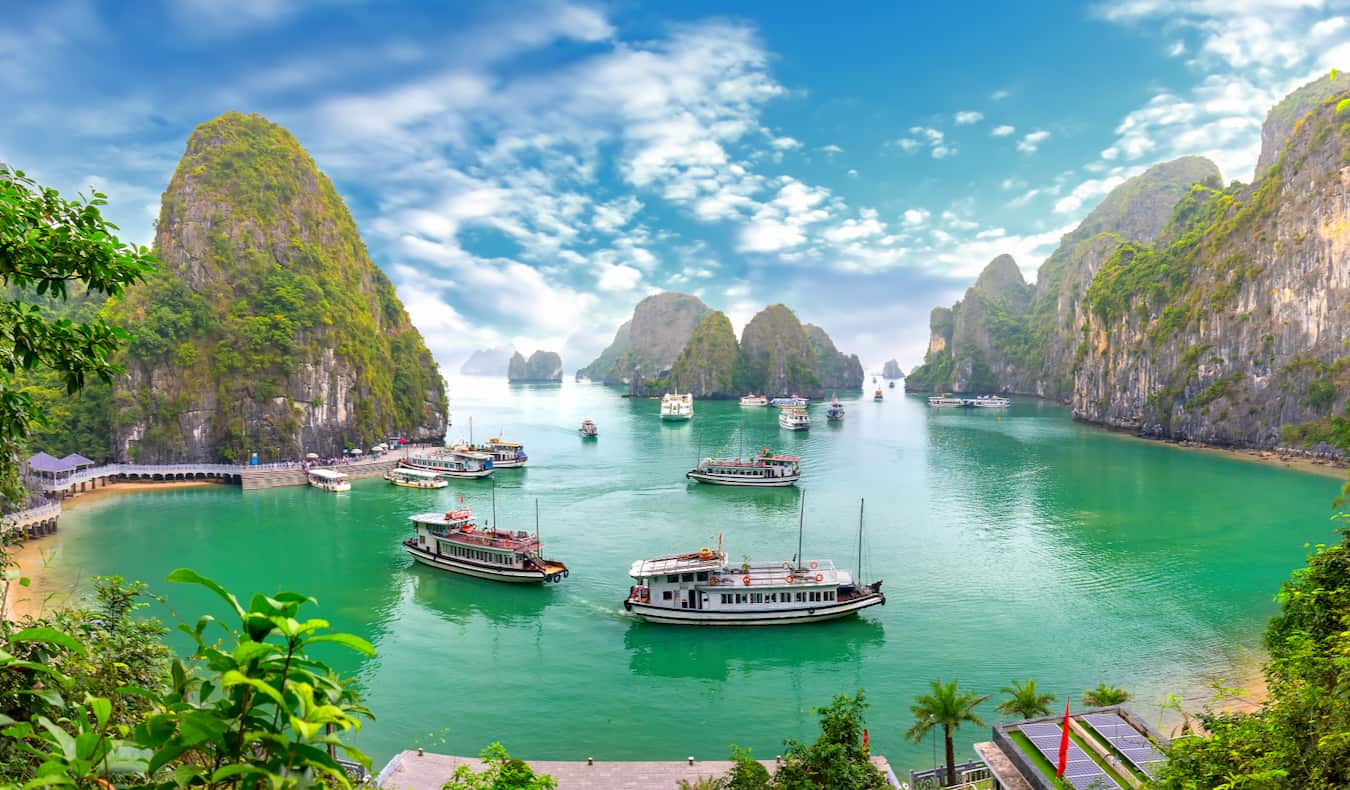
Vietnam stands out for its vibrant cities, stunning landscapes, and legendary street food. In cities like Hanoi and Ho Chi Minh City, a filling meal costs as little as $2, and comfortable hostels start from $5 per night. Traveling by bus or train between cities is not only cheap but also offers beautiful scenery along the way. Don’t miss Ha Long Bay—join a group boat tour for deep discounts.
2. Portugal
Portugal offers a European experience without the high price tag. Lisbon and Porto have affordable public transport, cheap pastries like pastel de nata (less than $1), and budget hostels. The Algarve coast has stunning beaches and local seafood at a fraction of the price found in other Western European countries.
3. Mexico
Mexico is a diverse and welcoming country for budget travelers. Cities like Oaxaca, Guanajuato, and Mexico City are rich in culture and history. Street tacos cost about $0.50 each, and local buses connect most attractions. Use second-class buses—they are slower but far cheaper.
4. Romania
Romania, especially Transylvania, offers fairy-tale castles, medieval towns, and beautiful mountains. Entry to most castles is under $10, and you can find hearty meals for around $5. Trains connect the main cities and are very affordable.
5. Indonesia
Outside of the popular tourist spots in Bali, Indonesia’s islands are inexpensive to visit. Hostels can be found for $3–$10 per night, and local warungs (eateries) serve meals for under $2. Ferries and buses make island-hopping cheap and easy.
6. Greece
While Santorini and Mykonos are pricey, Greece’s mainland and lesser-known islands are surprisingly affordable. Thessaloniki and Crete offer budget accommodations and local dishes like gyros for just a few dollars.
7. Morocco
Morocco blends African, Arab, and European cultures. In cities like Marrakech and Fes, you can stay in a traditional riad for less than $20 per night. Street food such as tagine is cheap and filling, and shared taxis lower transportation costs.
8. Georgia (the Country)
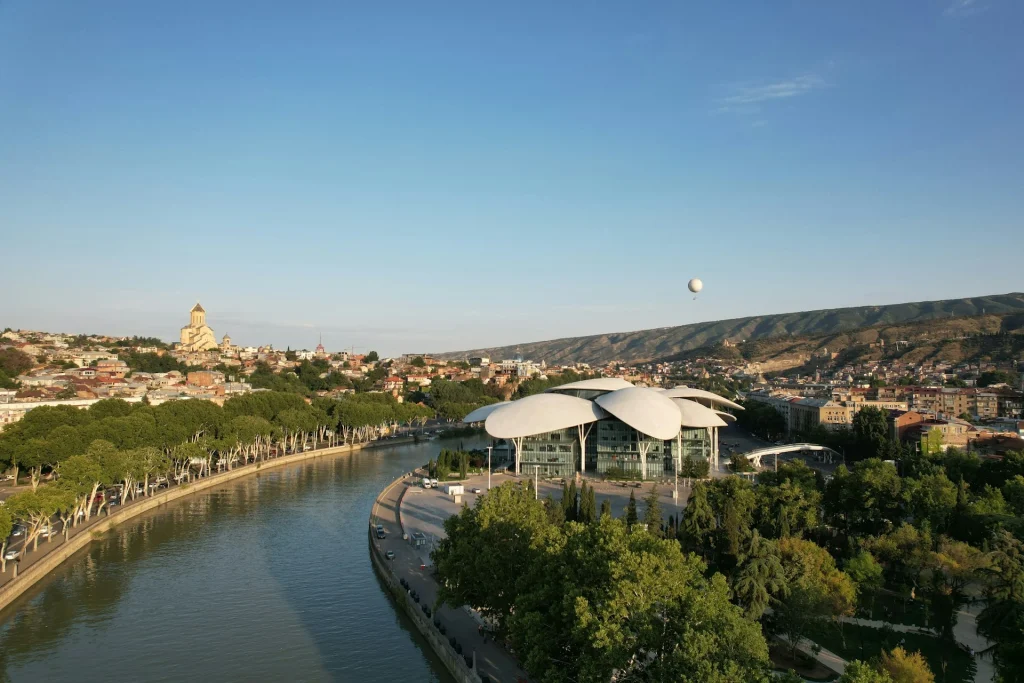
Georgia is still under the radar for many tourists. The capital, Tbilisi, has cozy guesthouses, and hearty meals such as khinkali dumplings cost less than $1 each. The country’s mountain villages are accessible by minibus, and most museums have low entrance fees.
9. India
India is famous for affordable travel. Overnight trains, street food, and low-cost guesthouses keep expenses minimal. In cities like Jaipur, Kolkata, and Varanasi, you can live well on $15–$25 per day. Entry to most temples and attractions is free or very cheap.
10. Bolivia
Bolivia is one of the cheapest countries in South America. The Salar de Uyuni salt flats are a highlight, with group tours available at low prices. You’ll find set meals (“almuerzo”) for $2–$3, and public transport is extremely affordable.
Comparing Costs In Budget Destinations
To help you plan, here is a comparison of average daily costs for a traveler in these destinations.
| Destination | Accommodation (per night) | Meal (local food) | Transport (daily) | Total Daily Budget |
|---|---|---|---|---|
| Vietnam | $5–$15 | $2–$4 | $2–$5 | $15–$35 |
| Portugal | $15–$30 | $4–$8 | $5–$8 | $30–$55 |
| Mexico | $10–$20 | $2–$5 | $3–$7 | $20–$45 |
| Romania | $12–$25 | $3–$6 | $3–$7 | $20–$45 |
| Indonesia | $5–$12 | $1–$3 | $2–$5 | $10–$30 |

Tips For Saving Money While Traveling
Traveling on a budget takes more than just choosing the right place. Here’s how to keep costs low and still enjoy your trip.
1. Travel Off-season
Visiting during low season means fewer tourists, cheaper flights, and lower accommodation prices. For example, Southeast Asia is less crowded (and cheaper) in the rainy season, while Europe’s best bargains are found in spring and autumn.
2. Use Local Transport
Skip taxis and use buses, trains, or shared vans. In many countries, public transport is reliable and very affordable. Apps like Rome2Rio can help you compare options.
3. Eat Like A Local
Street food and small eateries provide authentic tastes at much lower prices than tourist restaurants. In Thailand, a plate of pad thai from a street stall can cost under $1.
4. Stay In Hostels Or Guesthouses
Hostels are not just for young backpackers. Many offer private rooms, free breakfast, and social events. Guesthouses and homestays provide an authentic, local experience.
5. Use Free Attractions
Many cities offer free walking tours, public parks, museums with free entry days, and cultural festivals. Research before you go.
6. Book In Advance (but Not Always)
Flights and long-distance trains are often cheaper when booked early. However, last-minute deals can be found for hotels and tours, especially in less touristy places.
7. Avoid Tourist Traps
Markets and restaurants near main attractions often charge higher prices. Walk a few blocks away for better deals and more authentic experiences.
Hidden Gems: Lesser-known Budget Destinations
Some destinations offer incredible value but fly under the radar for most travelers. Here are three you might not expect.
Albania
This Balkan country is full of ancient ruins, beautiful beaches, and friendly locals. Cities like Tirana and Berat offer hostel beds from $7, and seaside resorts like Saranda are much cheaper than their Greek neighbors. The country’s buses and furgons (minivans) are very affordable.
Nepal
Nepal is a paradise for trekkers on a budget. The Annapurna Circuit and Everest Base Camp treks can be done independently with low-cost guesthouses (“teahouses”) along the trails. Meals cost $2–$4, and local buses connect even remote areas.
The Philippines
While flights to the Philippines can be pricey, once you arrive, your money stretches far. Island hopping between spots like Cebu and Siargao is cheap, and hostels start at $8 per night. Fresh seafood meals cost only a few dollars.

Comparing Southeast Asia’s Most Affordable Spots
Here’s how three Southeast Asian destinations stack up for budget travelers.
| Country | Hostel (per night) | Meal | Transport (in-city) | Popular Free Attractions |
|---|---|---|---|---|
| Vietnam | $5–$15 | $2 | $0.30–$1 (bus) | Old Quarter, Hoan Kiem Lake |
| Thailand | $6–$18 | $1–$3 | $0.50 (tuk-tuk short ride) | Temples, night markets |
| Indonesia | $5–$12 | $1–$2 | $0.20–$1 (bus) | Temples, rice terraces |
How To Plan Your Budget Trip
Being flexible is the secret to stretching your travel budget. Here’s how you can start planning:
- Set your total budget. Know how much you can spend on flights, accommodation, food, and activities.
- Pick destinations based on daily costs, not just airfare. Sometimes, flying a bit further saves money overall.
- Book major flights and transport first. This locks in big expenses, so you know what’s left.
- Look for discounts and deals. Many tourist boards offer city cards with free transport and attraction entry.
- Stay longer in fewer places. Moving less often saves on transport and lets you find better local deals.
- Track every expense. Apps like Trail Wallet or even a simple notebook help you stay on budget.
Common Mistakes When Choosing Budget Destinations
Travelers often make errors that raise costs or lower the quality of their experience. Here are some pitfalls to avoid:
- Focusing only on airfare: A cheap flight to an expensive country is not a bargain.
- Ignoring visa costs: Some countries have high entry fees.
- Choosing the wrong season: High season means higher prices and crowded attractions.
- Sticking only to big cities: Rural areas and smaller towns are often much cheaper.
- Not checking local events: Festivals can raise prices for accommodation but also offer free experiences.
Practical Examples: One-week Budget Itineraries
To give you a sense of what’s possible, here are two sample itineraries for $300–$400 (excluding international airfare).
Vietnam: 7 Days
- Day 1–2: Hanoi – Explore the Old Quarter, eat street food, join a free walking tour.
- Day 3–4: Overnight bus to Sapa – Trek in rice fields, stay in a homestay.
- Day 5: Return to Hanoi, visit museums and Hoan Kiem Lake.
- Day 6–7: Bus to Ha Long Bay – Take a group boat tour (budget option).
Total budget estimate: Accommodation ($45), food ($35), buses/trains ($40), activities and tours ($60), extras ($20) = $200. The rest covers optional splurges or emergencies.
Romania: 7 Days
- Day 1–2: Bucharest – Visit museums and parks, enjoy cheap cafés.
- Day 3–4: Train to Brasov – Explore medieval town, visit Bran Castle.
- Day 5: Day trip to Sighisoara, birthplace of Dracula.
- Day 6–7: Return to Bucharest via Sinaia, see Peles Castle.
Total budget estimate: Accommodation ($70), food ($50), trains/buses ($40), attractions ($40), extras ($20) = $220.

When To Splurge And When To Save
Not every travel experience should be the cheapest option. There are moments when spending a bit extra adds real value:
- Unique local tours: A guided trek or food tour offers insights you’d never find alone.
- Iconic sites: Some attractions, like Machu Picchu or the Taj Mahal, have fixed prices worth paying.
- Comfort on long journeys: Overnight buses or trains are worth a small upgrade for better sleep.
Save on everyday meals, transport, and accommodation, but invest in experiences that matter most to you.
How To Find Reliable Information
Travel costs and safety change over time. Always check:
- Official tourism board websites for the latest prices and travel advisories.
- Travel forums (like Lonely Planet’s Thorn Tree) for real-time tips.
- Currency exchange rates before you book.
A useful external resource for comparing travel costs is Numbeo. It offers updated cost-of-living data for cities worldwide.
Budget Destination Myths (and The Realities)
Many people assume that budget travel means sacrificing comfort or safety. That’s not true. Here’s why:
- Hostels and guesthouses are often clean, safe, and social—not just for students.
- Street food is not automatically risky. Look for busy stalls with high turnover.
- Low-cost doesn’t mean boring. Free attractions, local festivals, and natural beauty are often the best experiences.
Frequently Asked Questions
What Is The Best Time To Visit Budget-friendly Destinations?
The best time is usually the off-season, when prices are lower and attractions are less crowded. For example, Southeast Asia is cheaper from May to October, and Europe offers deals in spring and autumn.
How Can I Find Cheap Flights To Budget Destinations?
Use flight comparison websites, set fare alerts, and be flexible with your dates. Flying midweek and booking several months ahead often results in the best deals.
Are Budget Destinations Safe For Solo Travelers?
Most are safe with basic precautions. Always research local customs, avoid isolated areas at night, and keep valuables secure. Many budget travelers find it easy to meet others in hostels and group tours.
What Are The Hidden Costs Of Budget Travel?
Visa fees, airport transfers, local SIM cards, and unexpected medical expenses can add up. It’s wise to set aside an emergency fund and check entry requirements before you go.
Can I Work Or Volunteer While Visiting Budget Destinations?
In many countries, you can volunteer for food and accommodation (like WWOOF or Workaway), but paid work often requires a special visa. Always check local laws before planning to work abroad.
Traveling on a budget is about making smart choices, not just cutting costs. The world is full of affordable wonders—if you know where to look and how to plan, you can enjoy a rich, memorable adventure without breaking the bank.
Enjoying our content? Make us a preferred source on Google.
Add us as a Preferred Source on Google